.png)

A Guide to Botanical Scalp Care That Works

Your hair can look freshly styled and still feel like it has lost its ease at the roots. Tightness after washing, flakes that return by afternoon, excess oil near the crown, or lengths that seem dull no matter what you apply can all begin with the scalp. This guide to botanical scalp care offers a gentler way forward: a few intentional steps, nature-derived ingredients, and enough consistency to let your scalp find its balance.
Botanical care is not about layering every oil, extract, and scrub available. It is about choosing a small number of high-quality ingredients, applying them with care, and listening to what your scalp needs in this season. A dry scalp has different needs than one dealing with product buildup, and fine hair often calls for a lighter touch than thick, coily, or highly textured hair.
Why the Scalp Deserves Its Own Ritual
The scalp is skin, yet it is often treated as merely the place hair grows from. Like the skin on your face, it responds to cleansing habits, weather, stress, styling residue, and the ingredients placed on it. When it feels comfortable and clean without being stripped, hair at the root can appear more lifted, soft, and luminous.
A thoughtful botanical ritual starts by avoiding an all-or-nothing approach. Oil is not automatically too rich for an oily scalp, and exfoliation is not automatically the answer to flakes. Both can be helpful in the right amount. The goal is to support the scalp's natural comfort rather than trying to force it into submission.
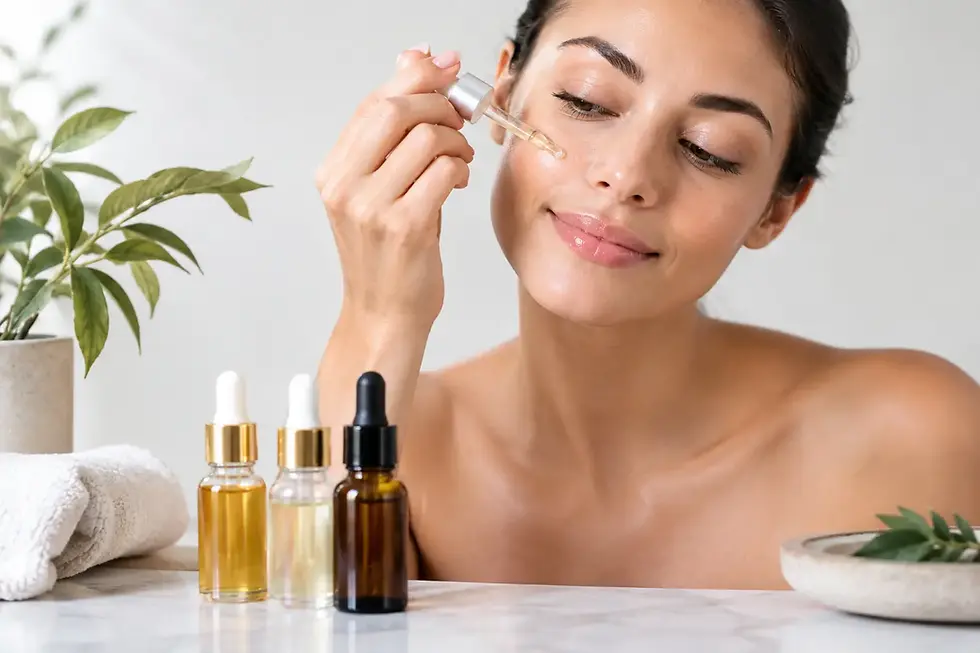
Moroccan beauty traditions offer a beautiful reminder that care can be both effective and unhurried. Cold-pressed argan oil, pressed from the kernels of the argan tree, has long been valued for its softening, conditioning qualities. Rich in fatty acids and vitamin E, it is especially lovely for bringing suppleness to dry-feeling skin and shine to thirsty lengths. Used sparingly, it can turn a routine wash day into a restorative ritual.
Start by Reading Your Scalp
Before adding anything new, notice the pattern behind the discomfort. A scalp that feels tight immediately after shampooing may be reacting to over-cleansing or very hot water. Fine, powdery flakes often accompany dryness, while waxy flakes and a heavy root area may point to product buildup or excess oil. Neither situation calls for the same routine.
It can also help to consider where the issue appears. Dryness around the hairline and behind the ears may be affected by seasonal weather, hair color, or fragranced styling products. A scalp that becomes greasy quickly after washing may need a more thorough cleanse, but it may also be compensating for a harsh shampoo. Hair texture, wash frequency, workouts, and water quality all play a role.
Persistent itching, painful bumps, sudden shedding, thick scaling, or irritation that does not improve with a simplified routine deserves professional guidance from a dermatologist. Botanical care can make everyday maintenance feel more nurturing, but it is not a substitute for medical care when the scalp is signaling a larger concern.
The Botanical Ingredients That Earn a Place in Your Routine
Not every plant-based ingredient belongs directly on the scalp. Essential oils, for example, can feel stimulating but may irritate sensitive skin when used too frequently or at high concentrations. Well-formulated products and proper dilution matter. Pure botanical oils can be deeply beneficial, but the amount and application are what make them feel elegant rather than heavy.
Argan oil for softness and moisture support
Unrefined, cold-pressed argan oil is naturally lightweight compared with many richer oils. On a dry scalp, a few drops can help soften the feeling of tightness while adding a polished finish to the hair. Its real beauty lies in restraint: use enough to condition, not enough to coat the roots.
For most people, argan oil is best as a pre-wash treatment or an occasional overnight ritual rather than a daily scalp oil. If your roots become oily easily, keep it mainly on the dry areas near the hairline and reserve the rest for mid-lengths and ends.
Rosemary for a refreshed, balanced-feeling ritual
Rosemary is a classic choice in hair rituals because of its herbaceous aroma and invigorating character. It can make a scalp massage feel particularly refreshing, especially when incorporated into a carefully formulated blend. Because rosemary essential oil is concentrated, never apply it undiluted to the scalp. A botanical hair oil already balanced with rosemary is a more considered option for regular use.
Hibiscus and gardenia for a sensorial hair-care moment
Hibiscus has a long history in traditional hair rituals and brings a naturally vibrant, floral quality to botanical blends. Gardenia offers a softer, more enveloping sensorial note. While fragrance should never override scalp comfort, these botanicals can make a practical treatment feel like a small pause in the day - one that supports shine, softness, and a more intentional relationship with your hair.
A Simple Guide to Botanical Scalp Care
The most effective routine is one you will actually repeat. Begin with one treatment each week, then adjust according to how your scalp and hair respond. For a dry scalp, twice-weekly treatments may feel wonderful during colder months. For an oily or buildup-prone scalp, once every one to two weeks may be plenty.
Step 1: Treat before cleansing
Part dry hair into four to six sections. Place two to four drops of a lightweight argan-based botanical oil across the scalp, focusing on the areas that feel dry or uncomfortable. You do not need to saturate every inch. A little goes a long way, especially with fine hair.
Use the pads of your fingers, not your nails, to massage in slow circles for two to three minutes. This is not a test of pressure. Gentle movement is enough to distribute the oil and create a soothing pause. Let the treatment rest for 20 to 30 minutes before shampooing. If your hair is very dry or textured, leaving it on overnight may suit you, provided your scalp tolerates it well and you protect your pillowcase.
Step 2: Cleanse thoroughly but kindly
Shampoo is not the enemy of a healthy scalp. A clean scalp helps remove sweat, styling residue, and excess oil that can leave roots flat or uncomfortable. Concentrate shampoo at the scalp, adding water gradually as you massage to create a more even lather. Let the rinse carry cleanser through the lengths instead of piling more shampoo onto the ends.
If you use dry shampoo, texturizing sprays, heavy butters, or frequent styling products, a periodic deeper cleanse can be useful. The trade-off is that clarifying too often may make a dry scalp feel less comfortable. Many people find that once or twice a month is enough, while others may need it more or less often depending on their routine.
Step 3: Condition the lengths, not the roots
Conditioner is designed to soften hair, particularly where it is older and more vulnerable to dryness. Apply it from the mid-lengths through the ends, then rinse thoroughly. If your scalp is dry, it can be tempting to bring conditioner all the way to the roots, but this may leave some hair types feeling coated. A pre-wash oil ritual is often a more graceful way to give the scalp targeted moisture.
Step 4: Finish with a whisper of oil
After washing, press excess water from your hair with a soft towel or T-shirt. Warm one to three drops of pure argan oil between your palms and smooth it over damp mid-lengths and ends. This helps minimize the rough, thirsty look that can appear as hair dries, while preserving movement and touchable softness.
If you prefer to style on dry hair, use a single drop as a finishing veil over flyaways and ends. Start with less than you think you need. You can always add more, but the most luminous finish comes from hair that still moves naturally.
Make Adjustments Without Starting Over
Give a new scalp ritual three or four weeks before deciding whether it suits you, unless irritation occurs. Hair and skin do not always respond overnight, especially when you are shifting away from over-cleansing or heavy product use. Keep the rest of your routine relatively stable so you can identify what is helping.
If your scalp feels more oily after oiling, reduce the amount, shorten the treatment time, or use it only before shampooing. If flakes persist but the scalp feels dry, skip abrasive scrubs and focus on gentle cleansing, lukewarm water, and a modest pre-wash oil treatment. If your hair looks limp, apply your botanical oil to the ends only and make scalp massage an occasional treatment rather than a weekly habit.
For color-treated, heat-styled, or naturally dry hair, the scalp and lengths may need different care at the same time. That is where multi-use oils are especially elegant: a few drops can support a dry hairline before washing, then bring softness and shine to the ends afterward without turning your bathroom shelf into a crowded collection.
At The Argan Springs, we believe that nature's finest ingredients are most beautiful when they are used with purpose. Let your scalp ritual be small enough to keep, quiet enough to enjoy, and nourishing enough to bring you back to hair that feels as radiant as it looks.