.png)

Argan Oil Benefits for Skin, Hair, and Nails
- The Argan Springs

- 5 days ago
- 5 min read
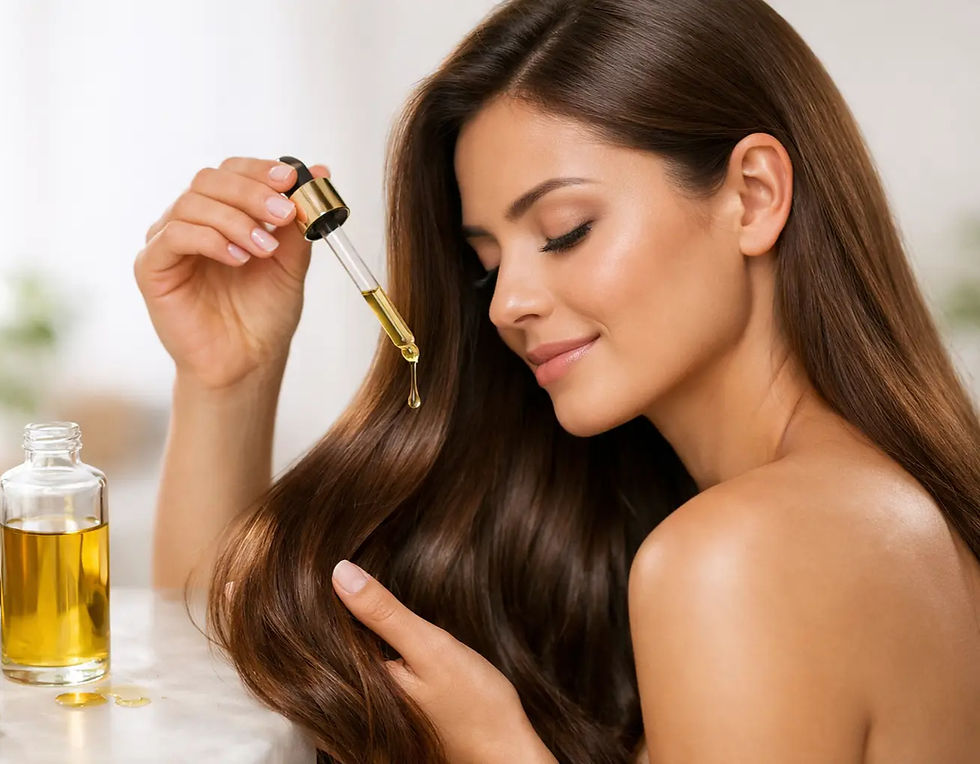
A few drops can change the feel of an entire routine. Pressed into damp skin after cleansing, smoothed through dry ends, or massaged into cuticles before bed, argan oil brings a soft, satin finish without asking for a shelf full of products. Its beauty lies in that simplicity: one precious oil, thoughtfully sourced and used with intention.
For generations, Moroccan argan oil has held a place in daily care rituals for hair, skin, and body. Today, it remains beloved by those seeking naturally derived nourishment with a lightweight, elegant feel. The difference is not only in the oil itself, but also in how it is grown, pressed, and welcomed into your everyday moments of care.
What Makes Argan Oil So Special?
Argan oil comes from the kernels of the argan tree, which grows in southwestern Morocco. The oil is naturally rich in fatty acids, including oleic and linoleic acids, along with vitamin E and antioxidant compounds. This composition gives it a cushiony, conditioning quality that can help support the skin barrier, soften the appearance of dry hair, and bring flexibility back to rough cuticles.
For cosmetic use, quality matters. Cold-pressed, unrefined argan oil retains more of its naturally occurring character than heavily refined alternatives. It should feel silky rather than greasy, absorb with a little patience, and carry a subtle, nutty aroma that speaks to its botanical origin. A completely scentless oil may be refined, although fragrance alone is not the only measure of quality.
Ethical sourcing matters, too. Argan trees are deeply connected to Morocco’s landscape and cultural heritage, while many traditional processing practices support Amazigh women-led cooperatives. Choosing responsibly sourced oil can make a personal ritual feel more purposeful, connecting everyday beauty care to skilled hands and enduring local knowledge.
Argan Oil for Radiant Skin
Dry skin rarely needs more intensity. It often needs gentler, more consistent support. Applied over slightly damp skin, argan oil helps seal in hydration and leaves the complexion feeling supple instead of coated. Its emollient fatty acids smooth the surface of the skin, which can make dullness and fine, dehydration-related lines appear less noticeable.
Use two or three drops after a water-based serum or moisturizer. Warm the oil between your palms, then press it across the cheeks, forehead, and neck rather than rubbing aggressively. This is especially comforting in colder months, after travel, or whenever skin feels tight from dry indoor air.
Those with oily or blemish-prone skin do not necessarily need to avoid facial oils. The right amount and placement are key. Start with one drop at night, or press it only onto dry areas of the face. Because every complexion responds differently, introduce one new product at a time and watch how your skin feels over several days. If you are managing persistent acne, rosacea, or a skin condition, a dermatologist can offer more personalized guidance.
For a richer evening ritual, pair argan oil with a cream rather than replacing moisture altogether. Water-based hydration and a nourishing oil often work better together: moisture first, then oil to help reduce moisture loss. The result is skin that looks rested, comfortable, and naturally luminous by morning.
A Simple Nighttime Face Ritual
After cleansing, apply your preferred hydrating serum. Follow with moisturizer, then press two drops of argan oil over the high points of the face and neck. Take a moment to massage along the jawline and temples with slow, upward motions. It is a small practice, but it can turn the final minutes of the day into a quieter, more restorative ritual.
Argan Oil for Luminous, Softer Hair
Hair that feels dry, frizzy, or rough often benefits from protection as much as moisture. Argan oil coats the hair fiber lightly, helping soften the look of flyaways and lending shine to lengths that have been stressed by heat styling, coloring, sun exposure, or dry weather. It does not repair a split end permanently, but it can make damaged ends look smoother and feel less brittle between trims.
The right amount depends on texture, density, and porosity. Fine hair may need only one drop warmed between the hands and applied from mid-length to ends. Thick, curly, coily, or very dry hair can often welcome more, especially when layered onto damp hair. Begin sparingly. It is easier to add another drop than to correct an overly rich finish.
On damp hair, smooth argan oil through the last half of the lengths before air-drying or styling. This can help reduce the rough feel that develops as hair dries. On dry hair, use a tiny amount as a finishing touch, concentrating on ends and areas prone to frizz. Avoid saturating the roots unless the scalp itself feels dry and you know your hair tolerates oils well.
A weekly pre-wash treatment offers another way to enjoy its conditioning benefits. Massage a small amount through dry mid-lengths and ends, leave it on for 20 to 30 minutes, then shampoo thoroughly. This approach is particularly useful for hair that feels parched but gets weighed down by leave-in products.
When a Botanical Hair Oil Makes Sense
Pure argan oil is beautifully versatile, but blends can add a more sensory, targeted experience. Botanical-infused oils featuring rosemary, hibiscus, or gardenia can turn hair care into an aromatic pause while still giving dry lengths the softness and polish they need. The best choice depends on your preferences: pure oil for minimalism, or a carefully formulated blend when you want a more enveloping ritual.
Argan Oil for Hands, Nails, and Body
Hands reveal dryness quickly. Frequent washing, changing weather, and everyday tasks can leave knuckles rough and cuticles prone to peeling. A drop of argan oil massaged into each nail bed can condition the surrounding skin and give nails a healthier-looking sheen. Keep a bottle near your bedside, then use it after hand cream as the final layer of care.
For the body, apply argan oil immediately after bathing while skin is still lightly damp. Focus on elbows, knees, shins, and shoulders, where dryness tends to linger. You can use it alone for a delicate glow or layer it under body cream when your skin needs extra comfort.
Because body oil can make shower floors slippery, apply it after stepping out and drying off. And although argan oil feels gentle for many people, perform a patch test before broad use if you have sensitive skin or a history of cosmetic allergies.
How to Choose a Quality Argan Oil
A beautiful ritual starts with an oil that respects both the ingredient and its origin. Look for cosmetic-grade, cold-pressed argan kernel oil with clear ingredient labeling. USDA Organic certification can offer additional assurance about agricultural practices, while vegan formulas and transparent sourcing reflect a broader commitment to conscious beauty.
Storing it also deserves attention. A cool, dry place away from direct sun, and secured cap after each use can helps protect the oil freshness. If the aroma changes sharply or the oil begins to smell stale, it is time to replace it.
At The Argan Springs, pure Moroccan argan oil is selected to bring this heritage into modern care rituals, with a focus on cold-pressed quality, ethical cooperative sourcing, and uncomplicated everyday use. The goal is never to make a routine feel longer. It is to make each step feel more considered.
There is no need to use argan oil everywhere, every day, or in large amounts. Let your skin, hair, and hands guide you. A few intentional drops, used where they are needed most, can create the kind of softness and radiance that feels less like a dramatic transformation and more like coming back to yourself.