.png)
Organic Face Serum for a Radiant Skin Ritual

A beautiful face serum should feel like the quietest, most rewarding part of your routine: a few warm drops pressed into skin after cleansing, a soft botanical scent, and a finish that leaves your complexion comfortable rather than coated. An organic face serum brings that moment closer to nature, pairing thoughtful ingredients with a simpler approach to moisture, softness, and visible radiance.
For skin that feels dry, dull, or less supple than it once did, the appeal is not about adding another complicated step. It is about choosing a concentrated formula that helps support the skin's natural barrier while turning everyday care into a moment of ritual.
What makes an organic face serum different?
A face serum is typically lighter and more concentrated than a traditional cream. It is made to deliver beneficial ingredients in a texture that layers comfortably beneath moisturizer or, depending on your skin's needs, can stand on its own. Oil-based serums are especially beloved for their ability to cushion dry skin, seal in hydration, and create a naturally luminous finish.
The word organic deserves a closer look. In skincare, it can refer to ingredients grown according to certified organic standards, but it does not automatically mean every ingredient in a formula is organic. Look for clear certification information, an ingredient list you can understand, and a brand that is open about how its botanicals are sourced and processed. USDA Organic certification, when it applies to a product or ingredient, offers a meaningful standard to seek out.
An organic formula is not inherently right for every complexion simply because it is organic. Sensitive skin can react to natural essential oils, and rich plant oils may feel too emollient for someone prone to congestion. The best serum is the one whose ingredients, texture, and frequency of use suit your skin - not the one with the longest list of promises.
Why argan oil belongs in a facial ritual
For generations, Moroccan argan oil has been treasured as a multipurpose beauty essential. Cold-pressed and unrefined argan oil retains its naturally occurring fatty acids and vitamin E, which make it a particularly comforting choice for skin that needs softness and replenishment.
Its texture is one reason it has earned such a loyal following. Quality argan oil feels silky and absorbent rather than heavy, helping the skin look smooth without leaving a thick, greasy layer behind. It can be especially lovely during colder months, after travel, or whenever a foaming cleanser, dry indoor air, or a long day outdoors has left the complexion feeling tight.
Argan oil is also a reminder that effective skincare need not be excessive. A few drops can support dry areas around the cheeks, mouth, and forehead, while the remaining trace can be pressed into cuticles or the ends of hair. This kind of thoughtful versatility is central to traditional Moroccan care rituals: use beautiful ingredients well, and use them with intention.
At The Argan Springs, pure Moroccan argan oil is ethically sourced from Amazigh women-led cooperatives, honoring both the ingredient's heritage and the women whose knowledge and work sustain it. That connection adds real meaning to a daily ritual, especially for those who want their beauty choices to reflect care for people as well as skin.
The glow-enhancing role of prickly pear seed oil
Prickly pear seed oil is another exceptional botanical for a radiant-looking complexion. Pressed from the tiny seeds of the prickly pear fruit, it is valued for its lightweight feel and naturally occurring vitamin E and essential fatty acids. It gives an organic face serum a refined, almost dry-touch finish that can be welcome for mature, dehydrated, or combination skin.
Because prickly pear seed oil is so precious, a small amount goes a long way. In a well-balanced facial serum, it can complement argan oil beautifully: argan brings comforting nourishment, while prickly pear lends a light, elegant quality. Together, they create a finish that feels polished and supple rather than overly rich.
How to apply face serum for the best finish
Technique matters as much as quantity. Facial oils work best when they are applied to skin that is still slightly damp, because they help hold in the water already present at the surface of the skin. If you use a water-based hydrating serum, apply that first, then follow with your oil serum to help seal in comfort.
A simple morning ritual
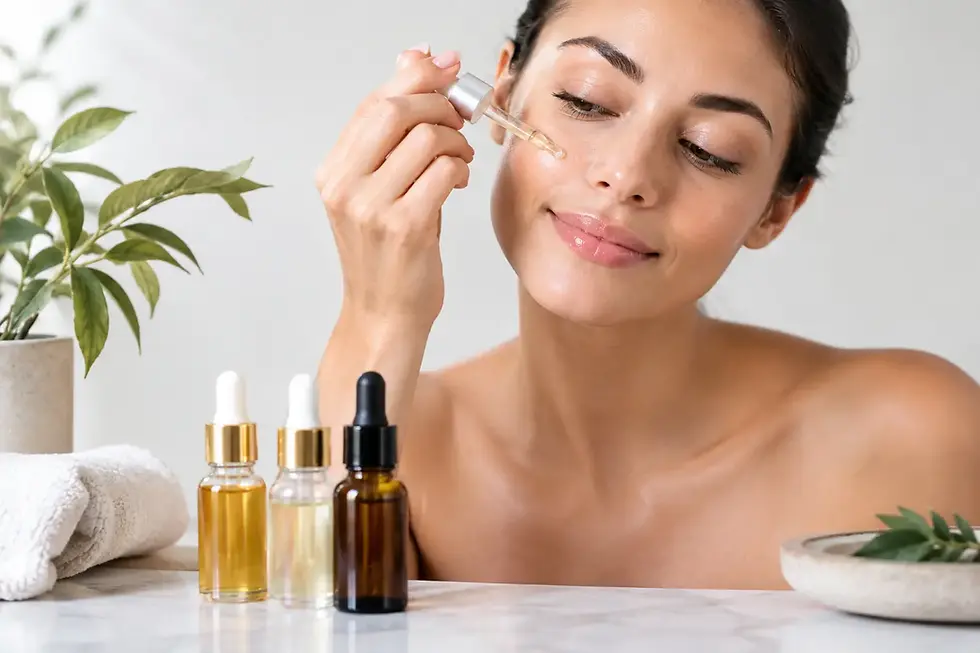
After cleansing, leave your skin lightly damp or mist it with water. Place two to three drops of serum in your palms, rub your hands together gently, then press the oil across your cheeks, forehead, chin, and neck. Avoid vigorous rubbing, particularly around the delicate eye area.
Give the serum a minute to settle before applying sunscreen. If your skin tends to shine through the T-zone, begin with one or two drops instead of three. You can always add a small touch to dry areas, but starting lightly gives you more control over the finish beneath makeup.
A restorative evening ritual
At night, take a little more time. After cleansing, press three to four drops into damp skin and use slow upward motions over the cheeks and neck. Let the warmth of your hands encourage a few unhurried breaths. The purpose is not to massage aggressively or chase instant transformation; it is to make room for a consistent act of care.
If your skin is very dry, layer a cream over the serum. Think of the serum as the nourishing layer and the cream as a final veil that helps reduce moisture loss overnight. If your skin is balanced and the serum feels sufficient on its own, there is no need to add more simply because a routine says you should.
Choosing the right organic face serum for your skin
Ingredient transparency is a strong place to begin. Look for oils that are cold-pressed, unrefined when appropriate, and clearly identified rather than hidden behind vague language. Packaging matters, too. Dark glass helps protect delicate botanical oils from light, while a dropper makes it easier to use only what you need.
Dry and mature skin often responds well to a richer blend featuring argan oil, prickly pear seed oil, or other barrier-supportive plant oils. Combination skin may prefer a lighter formula and a more targeted application, using serum mainly on the cheeks and avoiding areas that become oily. Those with acne-prone or highly sensitive skin should introduce any new oil slowly, starting two or three nights per week and patch testing first.
Fragrance is another personal consideration. A naturally aromatic botanical blend can make the experience feel sensorial and luxurious, but fragrance-sensitive skin may be happier with a minimal, unscented formula. Clean beauty is not one-size-fits-all. Your skin's response remains the most useful guide.
Small habits that help serum perform beautifully
Consistency has more influence than using a large amount once in a while. Keep your serum where you will see it after cleansing, use it while skin is damp, and store it away from direct heat and sunlight. A fresh, well-kept oil maintains its pleasing texture and scent longer.
It also helps to give a new product time. Surface softness can be immediate, while a more rested-looking complexion is often the result of steady hydration habits over several weeks. If irritation, persistent breakouts, or burning occurs, pause use and simplify your routine rather than layering more products over stressed skin.
The most memorable skincare rituals are rarely elaborate. They are the ones you return to: a few drops of thoughtfully sourced oil, the warmth of your hands, and skin that feels cared for before the day begins or quietly settles into night.