.png)
Clean Beauty Ingredients That Earn a Place

A beauty label can promise a great deal in a few small words: natural, pure, conscious, clean. Yet clean beauty ingredients are not defined by a single universal standard. What matters is knowing what is in the bottle, why it is there, how it is sourced, and whether it brings a meaningful benefit to your ritual.
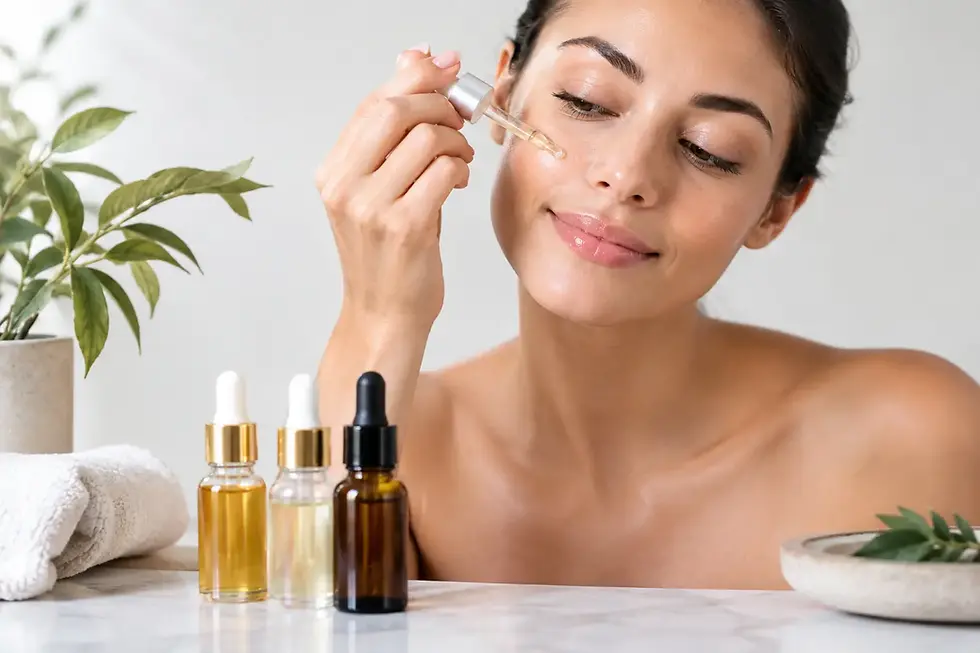
For skin and hair that feel dry, dull, or overworked, the answer is rarely a crowded shelf or a complicated 12-step routine. Often, it begins with fewer, thoughtfully chosen ingredients that nourish, soften, and support the look of healthy radiance. A golden drop of cold-pressed argan oil, warmed between the palms and pressed into damp hair or skin, can turn everyday care into a moment of ritual.
What “Clean” Should Mean in Beauty
Clean beauty is best approached as a set of values rather than a marketing shortcut. A product can be naturally derived and still be unsuitable for your skin. It can be synthetic and serve an important purpose, such as preserving a water-based formula safely. The most useful definition of clean is transparent, considered, and performance-minded.
Look for brands that are willing to explain their ingredient choices in plain language. They should identify the hero oils, botanical extracts, and functional ingredients in a formula, as well as share how those materials are processed. Cold-pressed, unrefined oils retain the character of the plant and are especially appealing in simple, oil-based rituals. For water-based creams and serums, a well-designed preservative system is not a compromise. It is part of responsible formulation.
Certification can offer another layer of reassurance, particularly when shopping for organic plant oils. Still, no seal replaces a close look at the full ingredient list, your individual sensitivities, and how a product performs on your skin or hair.
Clean Beauty Ingredients Worth Knowing
The ingredients that earn a permanent place in a routine tend to be versatile, well suited to the concern at hand, and enjoyable enough to use consistently. For a refined routine centered on moisture and luminosity, these are among the most valuable botanical allies.
Moroccan argan oil
Pressed from the kernels of the argan tree, Moroccan argan oil has long been treasured in traditional beauty rituals for hair, skin, and nails. It is naturally rich in fatty acids and vitamin E, giving it a soft, cushiony feel that helps replenish the look and feel of dryness without requiring a heavy application.
For hair, a few drops smoothed through mid-lengths and ends can help tame the appearance of frizz, enhance shine, and leave dry lengths feeling more supple. The key is restraint. Fine hair may need only one or two drops on dry ends, while thick, textured, or visibly dry hair may welcome a more generous pre-wash treatment.
On skin, argan oil can be especially lovely when pressed over a moisturizer to help seal in hydration, or used alone on slightly damp skin for a pared-back evening ritual. It also brings welcome softness to cuticles, elbows, and heels. A pure, cold-pressed oil is a beautiful example of how one ingredient can serve several needs with quiet luxury.
Prickly pear seed oil
Prickly pear seed oil is a precious facial oil valued for its light texture and naturally occurring vitamin E and fatty acids. Its delicate feel makes it particularly appealing for skin that wants nourishment but dislikes a rich or greasy finish. A few drops can bring a more rested-looking glow to an evening routine and help skin feel comforted after cleansing.
Because it is a concentrated botanical oil, less is more. Apply it after water-based hydration, or blend a drop into moisturizer. If your skin is prone to congestion, introduce any new facial oil gradually and observe how your complexion responds over several weeks rather than judging it after one night.
Rosemary, hibiscus, and gardenia
Botanical-infused hair oils offer more than fragrance. Rosemary is often chosen for scalp and hair rituals because its fresh herbal character makes massage feel especially revitalizing. Hibiscus brings a soft, floral sensibility to formulas designed for luminous-looking lengths, while gardenia adds a creamy floral note that transforms a practical hair treatment into a sensory pause.
An infusion is not the same as a cure for shedding, scalp conditions, or breakage caused by an underlying health concern. It can, however, make regular scalp massage and intentional conditioning easier to maintain. Consistency matters: a gentle weekly oil ritual can support the appearance of healthier, more polished hair over time.
The Difference Between Simple and Oversimplified
A short ingredient list can be elegant, especially when it contains a high-quality oil or a purposeful blend of botanicals. But “fewer ingredients” is not automatically better. A facial oil needs no broad-spectrum preservative because it contains no water. A cream does. A formula that skips necessary stabilizers or preservation in the name of purity may be less reliable, not more.
The same nuance applies to fragrance. Natural essential oils and botanical aromatic extracts can be deeply pleasurable, but they may not suit highly reactive skin. If you have a history of sensitivity, rosacea, eczema, or fragrance-related irritation, choose fragrance-free products for your face when possible and patch test even the most beautifully sourced botanical formula.
Clean beauty is also not a promise that every product will work for every person. Skin can react to coconut-derived ingredients, nut oils, essential oils, or even a favorite plant extract. A thoughtful routine leaves room for individual needs instead of treating “natural” as a guarantee.
How to Read an Ingredient List With Confidence
You do not need a chemistry degree to make more informed choices. Start with the first several ingredients, which generally make up the largest portion of the formula. In a pure oil, there may be only one: Argania Spinosa Kernel Oil. In a botanical blend, look for a clear explanation of the base oils and infusions rather than vague language that hides what you are applying.
Then consider the product format. A rinse-off cleanser has different needs than a leave-on face oil. A rich night cream may include humectants to draw in water, emollients to soften, and occlusive ingredients to help reduce moisture loss. A hair oil should feel appropriate for your texture and goals, whether that is smoothing flyaways, conditioning ends, or creating a pre-shampoo treatment.
Finally, ask practical questions. Does the brand state where its hero ingredient comes from? Does it explain whether an oil is refined or cold-pressed? Is the packaging appropriate for light-sensitive oils? Does the product fit into a routine you will actually enjoy using? Clear answers are often more meaningful than a long list of ingredients a brand has chosen to exclude.
A Ritual Built Around Purposeful Ingredients
For a simple morning ritual, begin with clean, lightly damp skin, apply your preferred hydrating product, then press two or three drops of argan oil onto areas that feel dry. Finish by bringing any remaining oil to cuticles or the ends of your hair. This creates softness without adding another unnecessary step.
At night, use a facial oil such as prickly pear seed oil after moisturizer if your skin craves a more enveloping finish. Once or twice a week, massage an argan-based botanical oil into the scalp and through dry lengths before washing. Leave it on for 20 minutes, or longer if your hair tolerates it well, then shampoo thoroughly and condition as usual.
For polished dry hair between washes, place a drop of oil in your hands, distribute it evenly across your palms, and lightly smooth only the areas that need it. Applying too much near the roots can leave even a beautiful oil looking heavy, particularly on fine hair. The goal is touchable shine, not a coated finish.
Beauty With a Visible and Invisible Impact
Ingredient quality is inseparable from ingredient origin. Moroccan argan oil carries a story of place, craft, and community. When sourced through Amazigh women-led cooperatives, it can help support skills, livelihoods, and a tradition passed through generations. Choosing an ethically sourced oil allows the ritual to hold more meaning than a fleeting trend.
At The Argan Springs, this connection is reflected in a focus on USDA Organic, vegan formulas and cold-pressed, unrefined Moroccan argan oil. The intention is not to make your routine more complicated. It is to offer nature’s finest ingredients in forms that feel effective, generous, and easy to return to.
The most beautiful routine is one you can sustain: a few well-chosen formulas, used with care, and selected with enough knowledge to trust what touches your skin. Let the next ingredient you bring home earn its place not through a label alone, but through its quality, purpose, and the small moment of restoration it creates.